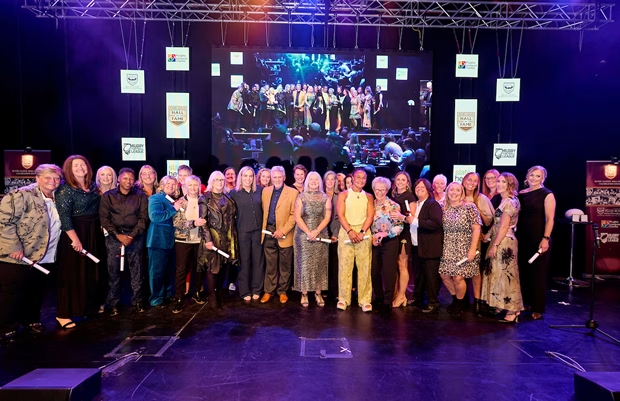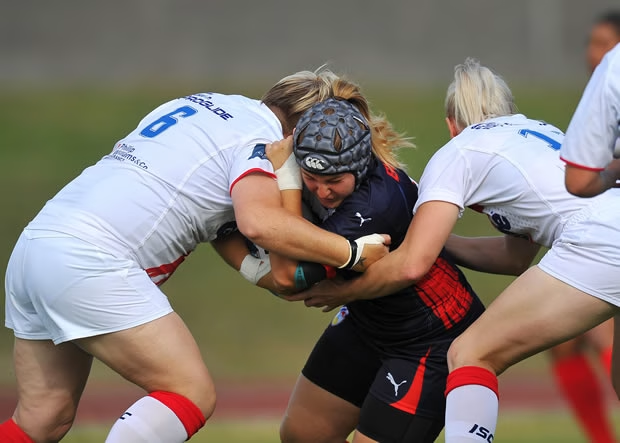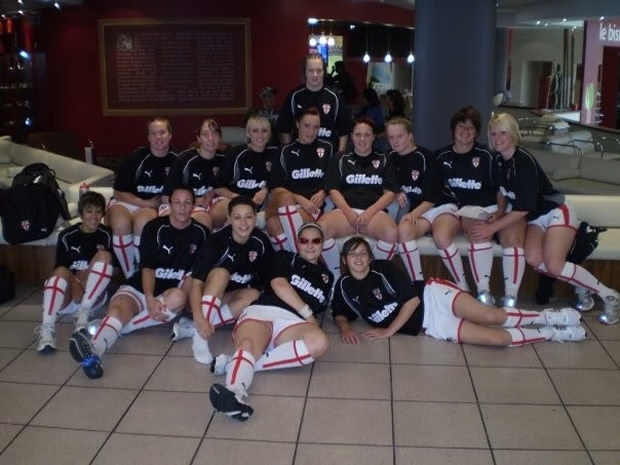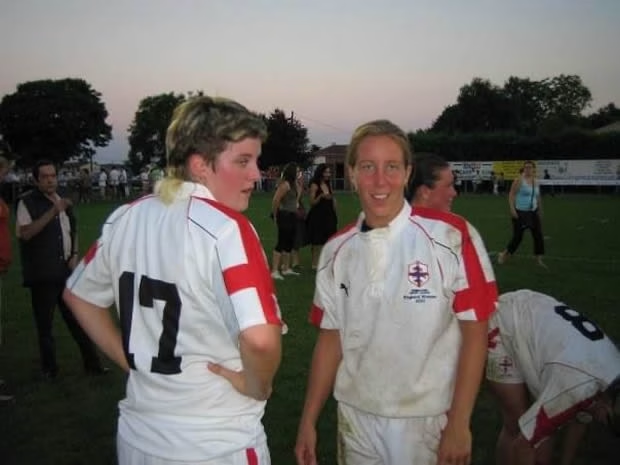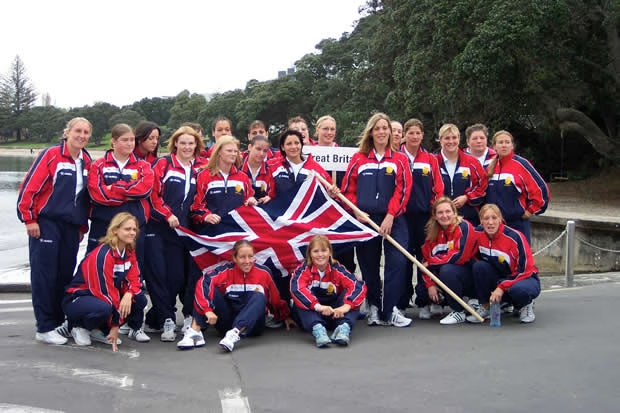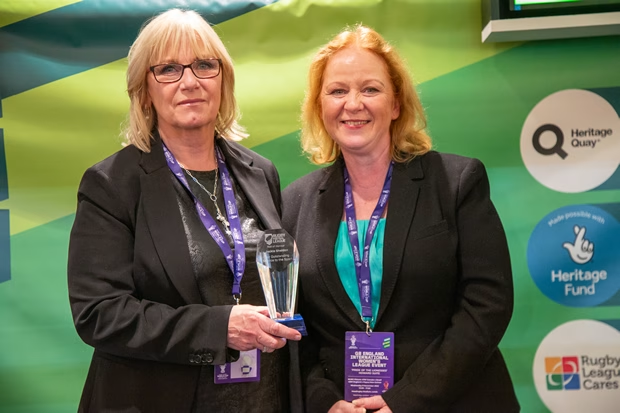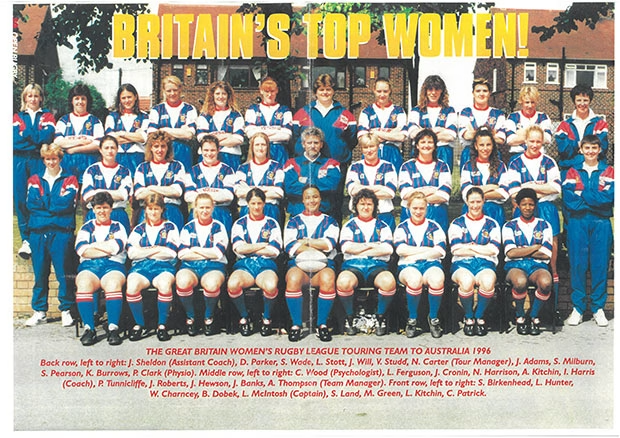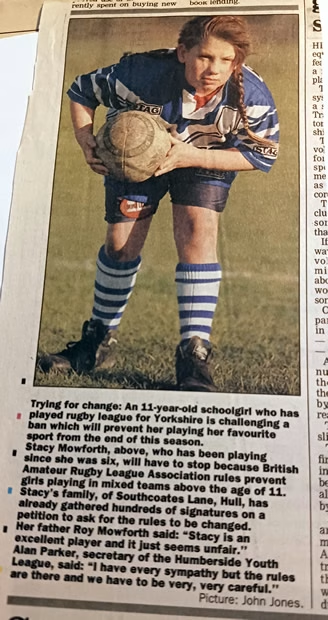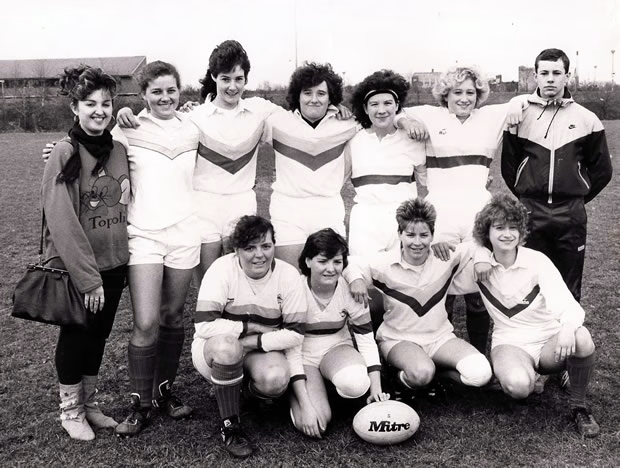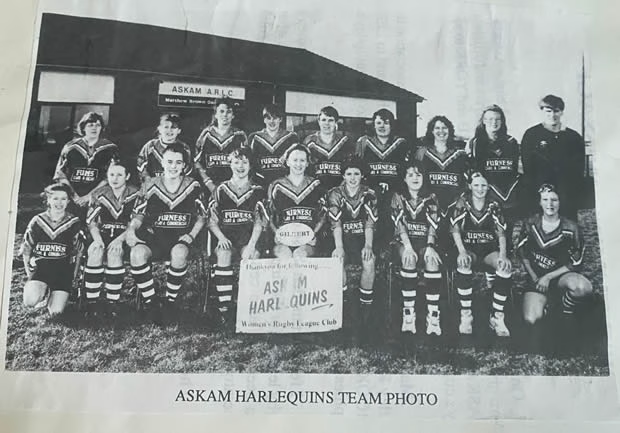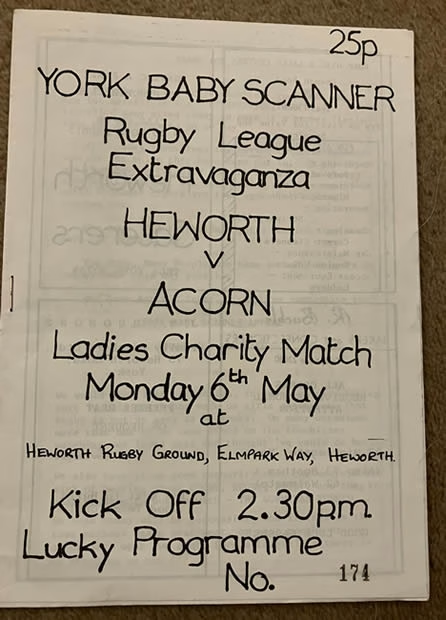
Equality has been a long time coming, and – despite early hostility – women have been part of rugby league since the sport first took root in northern England in the 1890s, as spectators, supporters, wives, mothers… and players.
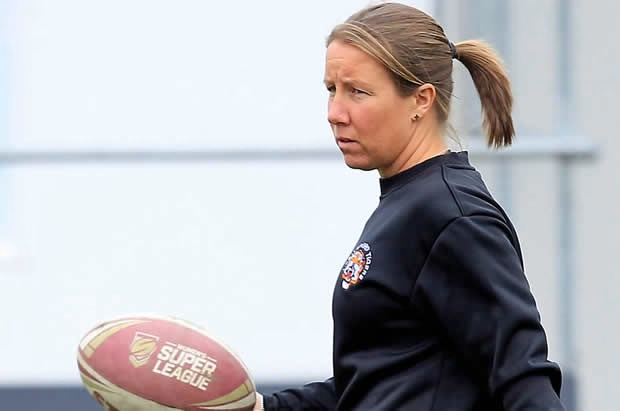
Today, the women’s game is stronger than ever.
In 2025, there are more than seventy adult women’s sides and over 195 girls’ teams across the country.
The 2022 Challenge Cup Final at Elland Road drew a record crowd of 5,888, and in 2023, women made history with a Challenge Cup Final double header at Wembley — a landmark moment for visibility and recognition.
The delayed 2021 Rugby League World Cup, held in England in late 2022, marked another turning point: for the first time, women competed on the same stages and for equal prize money as the men’s and wheelchair teams. The success of that tournament — and the continued growth of the Betfred Women’s Super League — has cemented women’s rugby league as one of the sport’s most dynamic and inspiring movements.
Yet the journey hasn’t been easy.
The road to recognition has been long, determined, and hard-fought.
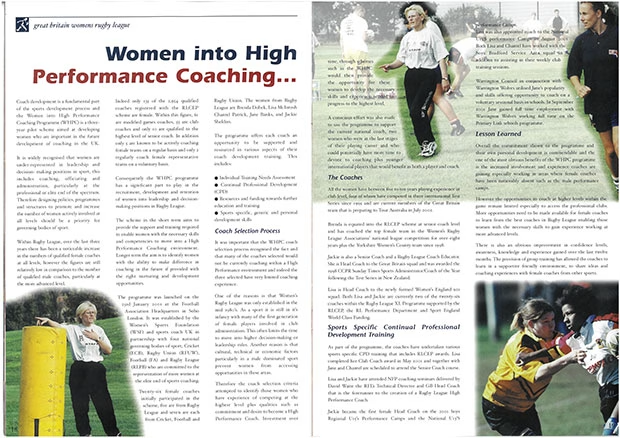
While rugby league has made great strides in gender equality, particularly in the past two decades, there is still more work to be done to ensure equal opportunities, visibility, and respect across all levels of the game.